
You are not alone
Feel a bit sad or lost? Please click here 💚
They are there, but you may not see them

Suicide
Based on statistics, it’s likely that someone close to you has either considered suicide or died by suicide. It’s a devastating thought, isn’t it?
The latest figures show that more than 700 people die by suicide in Norway every year. That’s around 13 people per 100,000 inhabitants—and tragically, the numbers continue to rise year after year.
In the photo above, I’m speaking with Anders, a father who has endured the worst loss imaginable. His son, Jakob, chose to end his life shortly before his 21st birthday. It’s impossible to fully grasp the pain Anders and his wife went through, but to their immense credit, they have chosen to speak openly about their experience. That openness has the power to save lives among us.

Near you
Based on statistics, someone close to you is likely dealing with significant mental health struggles. As many as 1 in 5 people are affected—yet you may not even know who they are. Think about it: a colleague, a close friend, your mother or father, your son or daughter may be suffering in silence.
Mental struggles don’t always look the way we expect. They often hide behind smiles, performance, humor, or withdrawal. Hard to hear? It should be—because awareness alone isn’t enough if we don’t learn to truly see one another.
In the photo above, I’m interviewing René, who went through a long period of serious mental health difficulties without anyone around him knowing. Thankfully, he received help before it was too late.
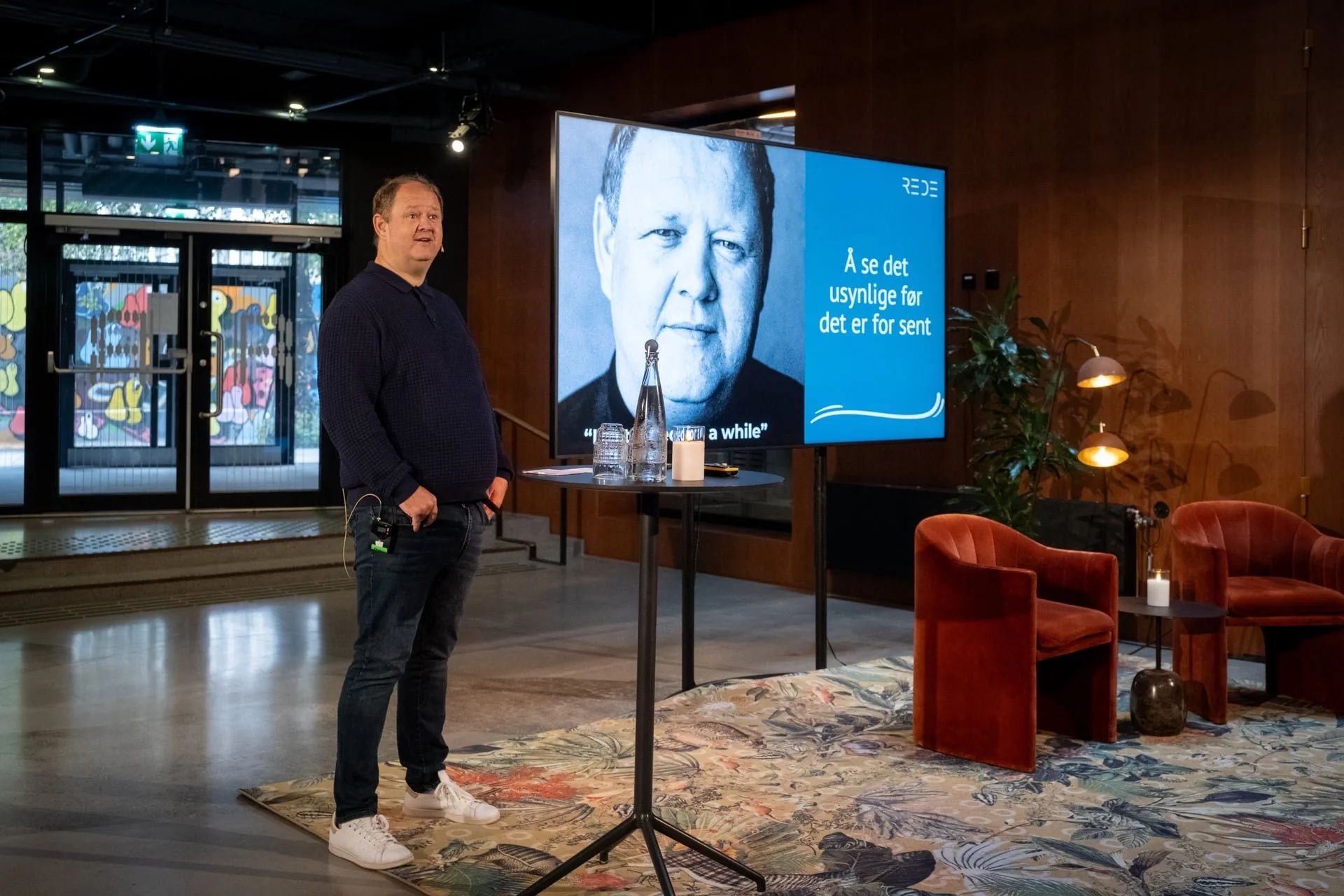
Book my key-note
Many of the people who struggle mentally are the ones who hide it best. In The Hidden Mental Struggles We Ignore, I share my personal journey with Bipolar Disorder and ADHD, opening an honest conversation about what often goes unseen behind “normal” behavior—and why it’s so often missed.
Through real experiences and practical guidance, I show how to spot those who may be struggling, what not to do, and what actually helps.
This keynote is designed for organizations, schools, events, and companies that want to move beyond awareness and toward real understanding, compassion, and action.

Some guidance
How to spot us?
People who are struggling often won’t say it outright — but changes in behaviour can reveal more than words. You might notice shifts in energy levels, either much lower or unusually high. They may become less reliable with timekeeping, withdraw socially, or start hiding away from others. Some grow quieter than usual, while others become noticeably louder. Eating habits can change too. And one of the clearest signs: persistent procrastination, especially on tasks they normally manage without difficulty.

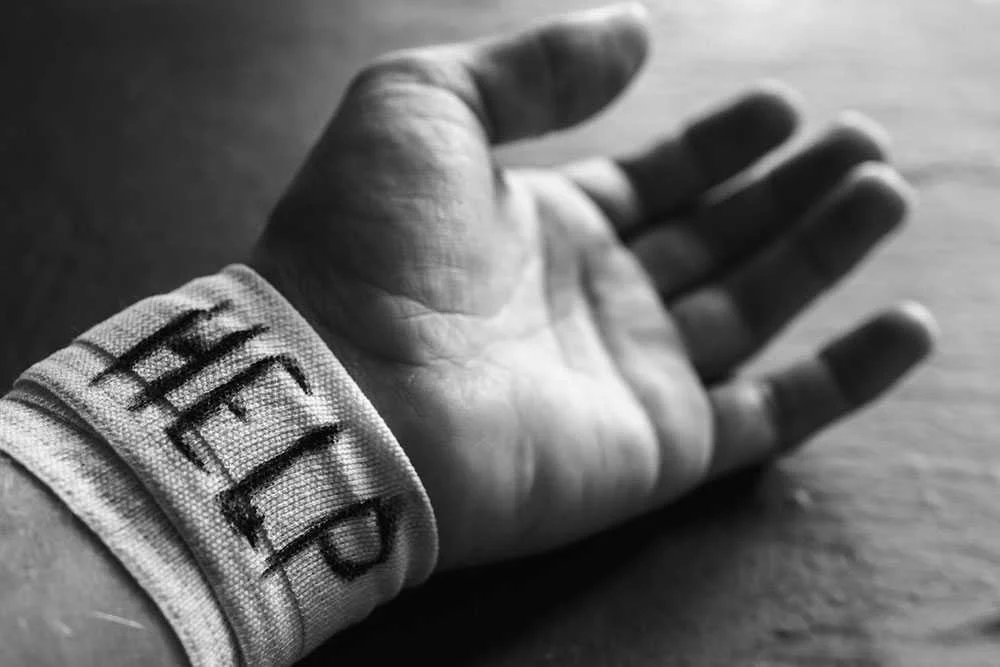
Please accept
No one expects you to fully understand what it’s like to live with severe mental health problems. But what you can do is accept. Accept that this is an illness, sometimes even a terminal one. Just like physical illnesses can be. And once you truly accept that, your understanding and presence will, in itself, offer support to those close to you who are struggling.
And please don`t
When someone is struggling, careless words can cause real harm. Avoid using slang like “he’s crazy,” “off the spectrum,” “needs a pill,” or “losing the plot.” Steer clear of mocking imitations, jokes at their expense, or emojis that make light of their situation. These things may seem harmless in the moment, but they deepen stigma and push people further into silence. We wouldn’t speak this way about someone who is terminally ill with cancer, so we shouldn’t do it about mental illness either.
Get in touch
I enjoy speaking with technology founders, investors, and leaders who are thinking about their next critical hire. If that’s you, feel free to get in touch.
erik@redepeople.com | + 47 40 43 54 93
LinkedIn
Rebel, Universitetsgata 2
Let me contribute where hiring decisions shape your company!
Want to learn more about me and my background? Clik here